

Shibuya Startup Support (SSS) participated in Slush 2025, one of the world’s largest startup events, held in November in Helsinki, Finland.
This visit was part of SSS’s ongoing efforts to build international connections and deepen its startup support activities.
During our Slush visit we also visited European universities, research institutions, startup support hubs, and local companies.
Slush is a global startup conference that attracts over 13,000 participants from more than 70 countries. While the scale of the event is impressive, it is especially known for its strong focus on one-on-one meetings, which allows founders and participants to connect in a more direct and practical way. Many programs are invitation-only or selectively curated to ensure a consistently high quality of participants.
During Slush Week, more than 100 side events took place across Helsinki. The entire city became a hub for startup professionals, which naturally fosters networking and information exchange.
The rapid growth of AI-related startups was particularly notable this time, along with a strong presence of ventures combining sustainability and deep tech. The increasing number of participants from Japan was also impressive.
At the official pitch competition Slush 100, the winner was Diffraqtion, a U.S.-based startup combining quantum camera technology with satellite systems. Many of the finalists focused on SaaS and AI-driven business models. It reflects a broader emphasis on scalability and real-world application.
Throughout Slush, SSS participated in multiple events to build networks and gather insights on the ground.
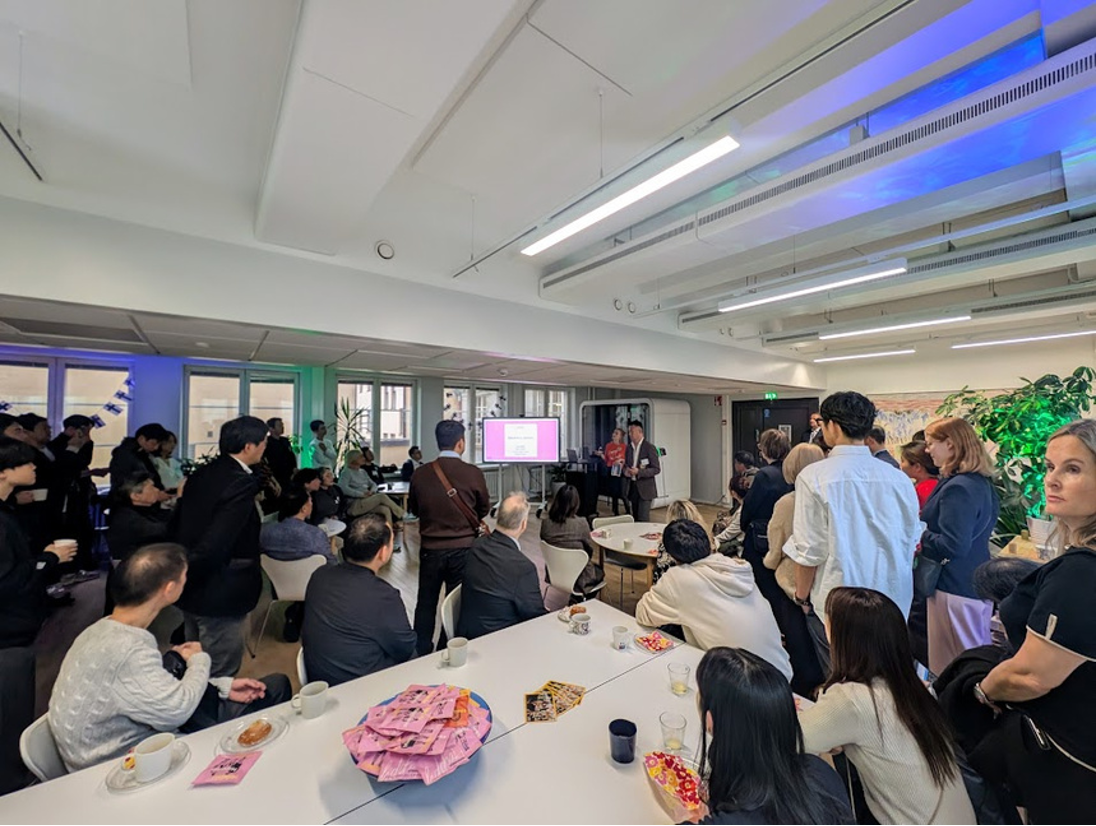
Prior to the main event, we attended Pulla & Connections, a Japan–Finland networking event hosted by Helsinki Partners. The event included introduction sessions by Japanese local governments and support organizations, during which SSS delivered a two-minute pitch. We introduced Shibuya’s startup support initiatives, including the Startup Visa program, PoC support, and the S-Startup Program, creating new points of contact with overseas startups interested in entering the Japanese market.
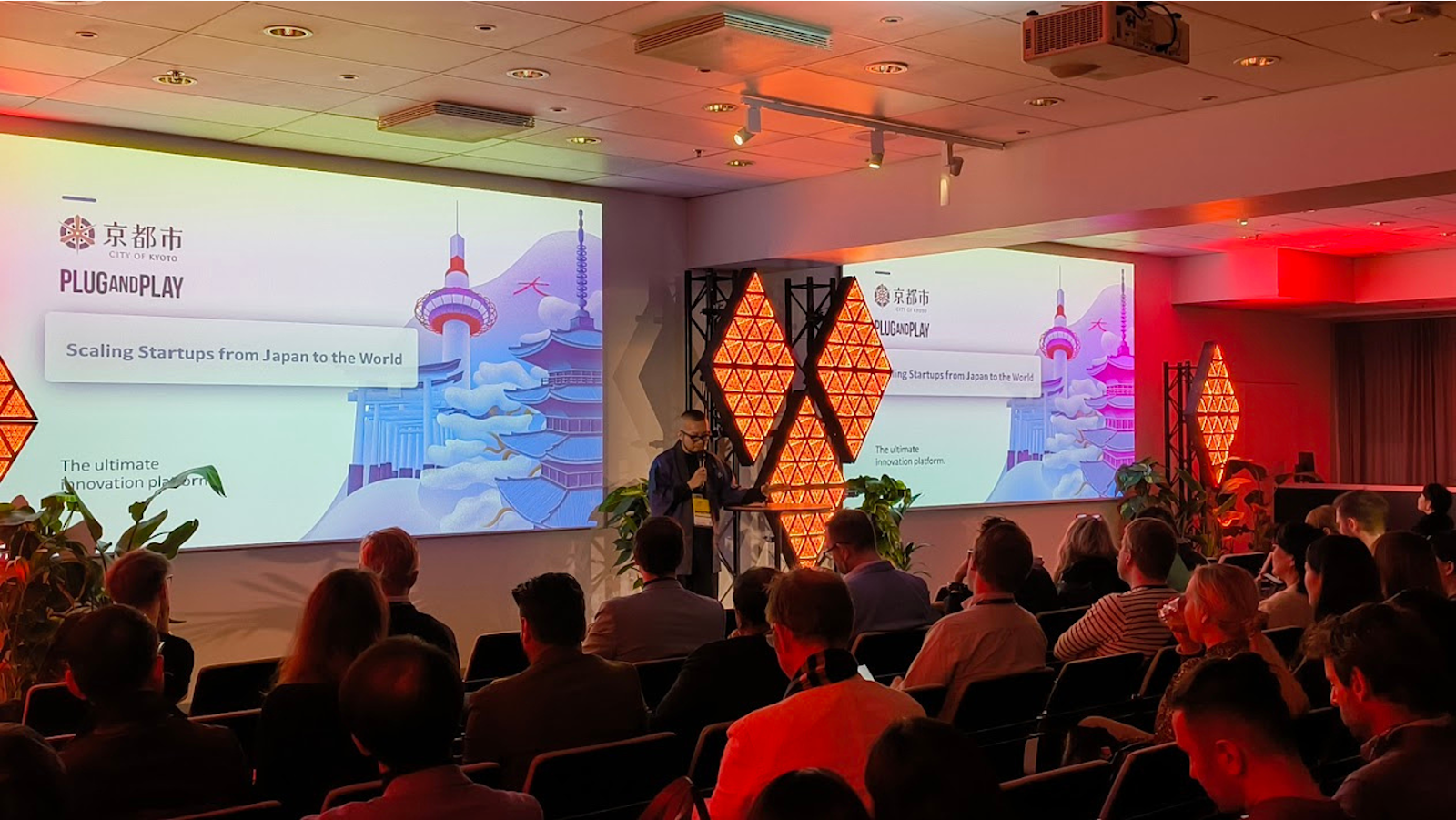
We joined Scaling Startups from Japan to the World, hosted by the Kyoto city government, where we observed pitches by Japanese startups such as SolarDuck and NERON. The event served as a useful reference for how local governments can support startups on an international stage.
SSS also presented at Japan Pitch Night in Helsinki, co-hosted by SSS, Takeoff Tokyo and Helsinki Partners. The event brought together startups, investors, and public-sector organizations from Japan and Europe, providing a setting to introduce Shibuya’s approach to startup support and exchange perspectives.
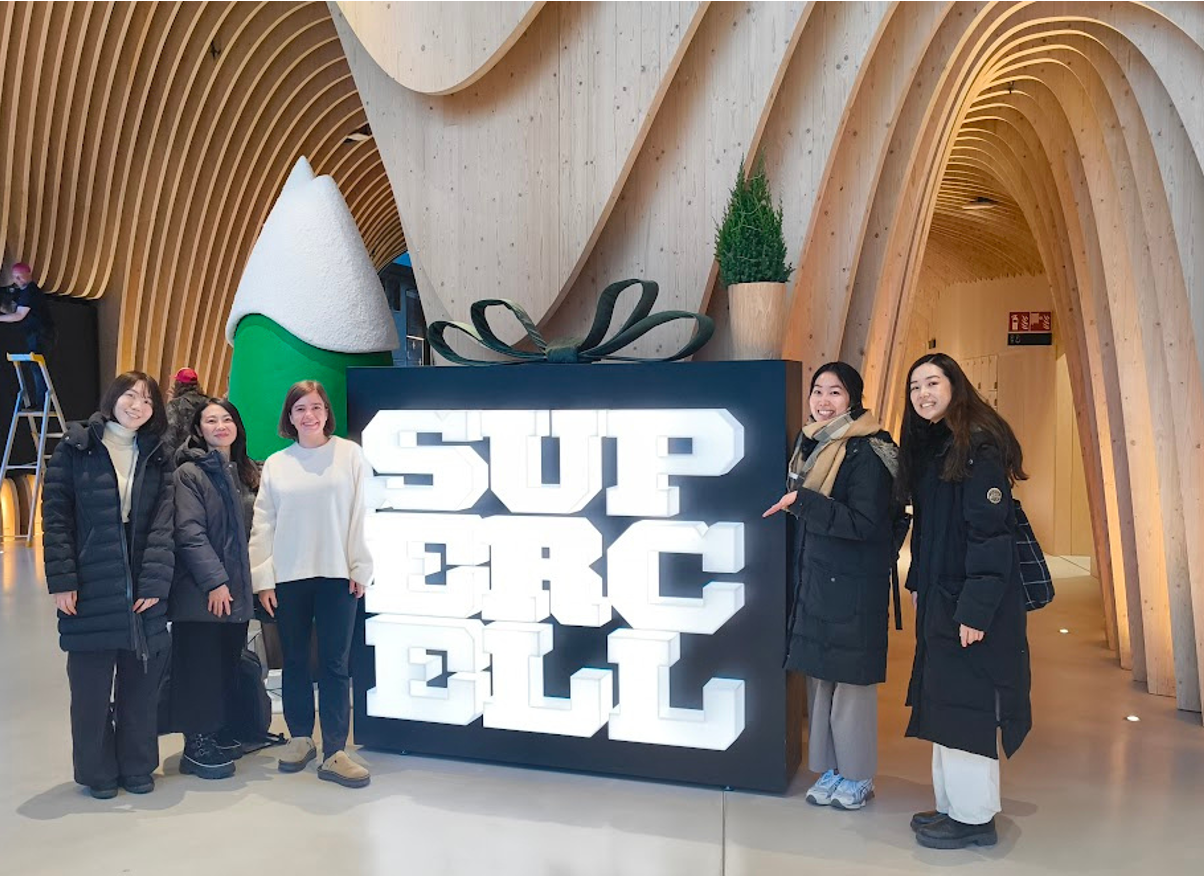
Throughout the week, SSS held numerous meetings with startups, investors, and support organizations. In addition to building new relationships with overseas startups considering expansion into Japan, discussions also touched on possible collaboration with Shibuya in relation to a Tokyo-based acceleration program scheduled to start in March 2026, led by the Finnish gaming company Supercell.
As part of the study tour, SSS visited several European universities and affiliated startup support organizations, including Technical University of Denmark (DTU), Bocconi University, and Aalto University.
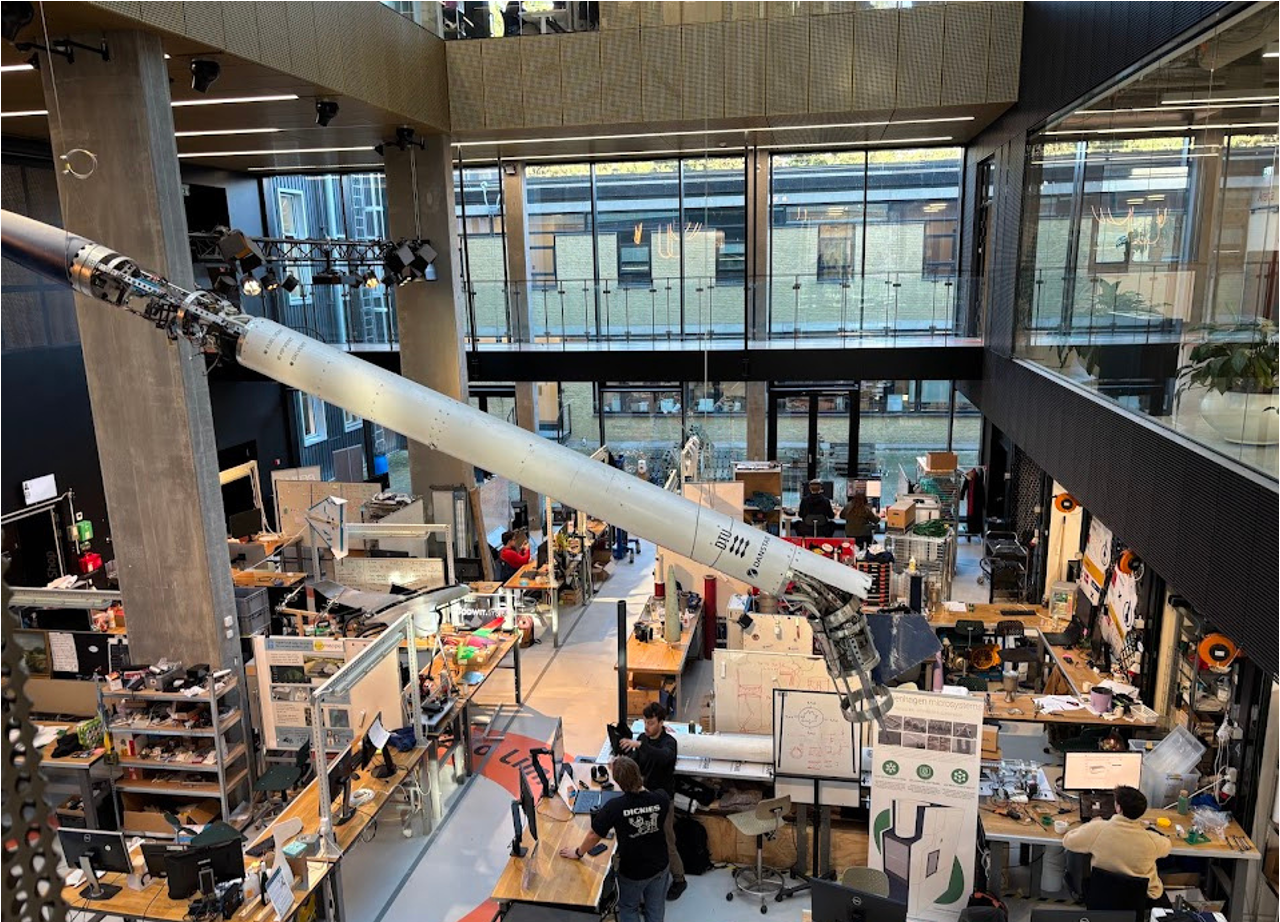
At DTU Science Park, support is clearly focused on turning research outcomes into businesses. One particularly impressive aspect was the clearly defined incentive structure for mentorship. Access to cutting-edge research itself serves as motivation for mentors, enabling a highly sophisticated support model for deep tech startups.
DTU Skylab, also located on campus, provides students with labs and spaces to experiment, making entrepreneurship a natural option alongside research.
At Bocconi for Innovation, a university-based accelerator in Italy, the emphasis is on hands-on support and peer learning. Community-building initiatives, such as informal gatherings, help founders learn from one another. Mentors are trained to guide founders through questions rather than instructions, with progress reviewed through regular check-ins.
At Aalto Startup Center in Finland, the acceleration program focuses on sustainability and deeptech. By hiring paid advisors, the program ensures a consistently high quality of mentoring. Workshops are designed as integrated processes, from tackling predefined challenges to validating execution results, creating a highly practical, execution-oriented program.
A common theme across these institutions was the integration of academia, research, and commercialization. Rather than stopping at the research stage, these ecosystems are designed to make it easy for students and researchers to pursue entrepreneurship and business creation.
The structured involvement of mentors was also a notable characteristic. Roles and incentives are clearly defined, and regular check-ins ensure careful follow-up on founders’ progress. By emphasizing inquiry-based mentoring rather than directive guidance, these programs help entrepreneurs develop their own problem-solving and decision-making capabilities.
Visits to Startup Hubs and Support Centers
Maria 01 in Helsinki is one of Europe’s largest startup hubs, bringing together a large number of startups in a former hospital converted into a coworking space. Startups move in and out based on their growth stage, maintaining a high-quality community. Leveraging this strong community foundation, Maria 01 plans to expand into paid acceleration programs in the future.
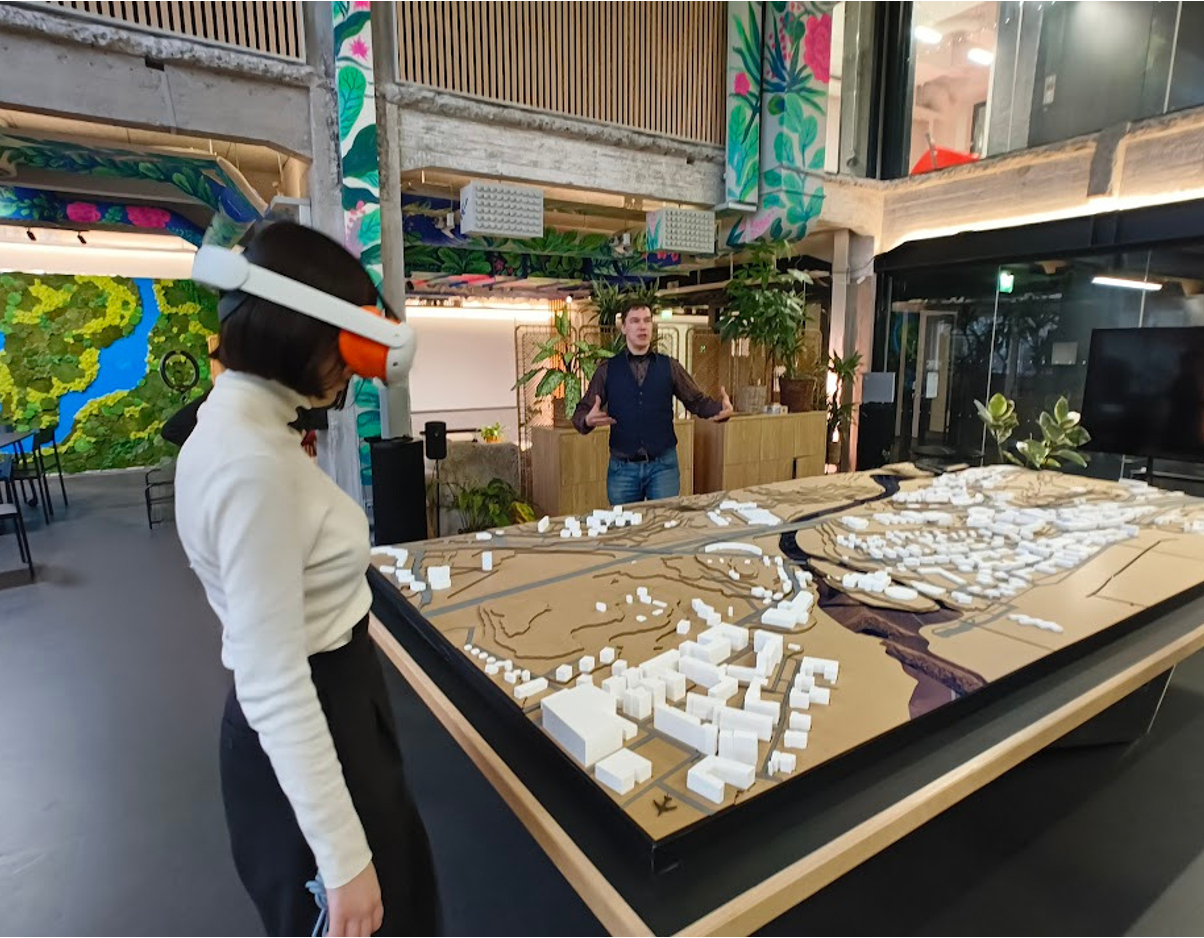
We also visited Helsinki XR Center, a startup support hub specializing in XR technologies. By focusing on a specific domain, the center naturally attracts specialized knowledge and networks, demonstrating the effectiveness of sector-focused support.
One of the defining characteristics of Nordic and European startup ecosystems is that events and programs are not designed as one-off experiences. Instead, they are structured to lead to concrete follow-up actions. Through continuous check-ins, hands-on support, and close collaboration among universities, research institutions, companies, and support organizations, startups are supported over the long term. This consistent and integrated support structure plays a key role in enabling sustainable startup growth.
Through participation in Slush and Nordic startup ecosystem visits, SSS gained many insights that can be applied to future startup support initiatives. Building on these learnings, SSS will continue to explore more practical and continuous support models while leveraging the unique characteristics of the Shibuya district.
Information about upcoming SSS events, seminars, and international collaboration initiatives will be shared regularly on our official website and social media channels. We invite you to follow us and stay updated.
Shibuya Startup Support:https://www.shibuya-startup-support.jp/ja
Shibuya Startup Support Social Media
LinkedIn:https://www.linkedin.com/company/shibuya-startup-support/
Facebook:https://www.facebook.com/shibuya.startup.support
X(Twitter):http://twitter.com/ShibuyaStartup


