

Shibuya Startup Support (SSS) hosted Creative Tech Shibuya 2026 in February 2026, a five-day program designed to support overseas startups in the creative tech sector in entering the Japanese market.
The program brought together ten international startups working across fields such as AI, XR, entertainment tech, and creative tools. Through pitch sessions, exhibitions, business matching, and mentoring, participants were provided with opportunities to connect with Japanese companies and investors.
In this article, we feature interviews with three participating startups; Inkjourney, Shisa.AI, and Brainspoke, highlighting their motivations for joining, perspectives on the Japanese market, and key takeaways from the program.
For more details on the program, please also refer to our comprehensive two-part event report:
▶︎Creative Tech Shibuya 2026 Event Report, Part 1
▶︎Creative Tech Shibuya 2026 Event Report, Part 2
Health Tech / Mental Wellness / AI
Brainspoke is a mental wellness technology startup that leverages AI to support the visualization and management of stress and anxiety. With a globally distributed team, the company is also exploring expansion into the Japanese market.
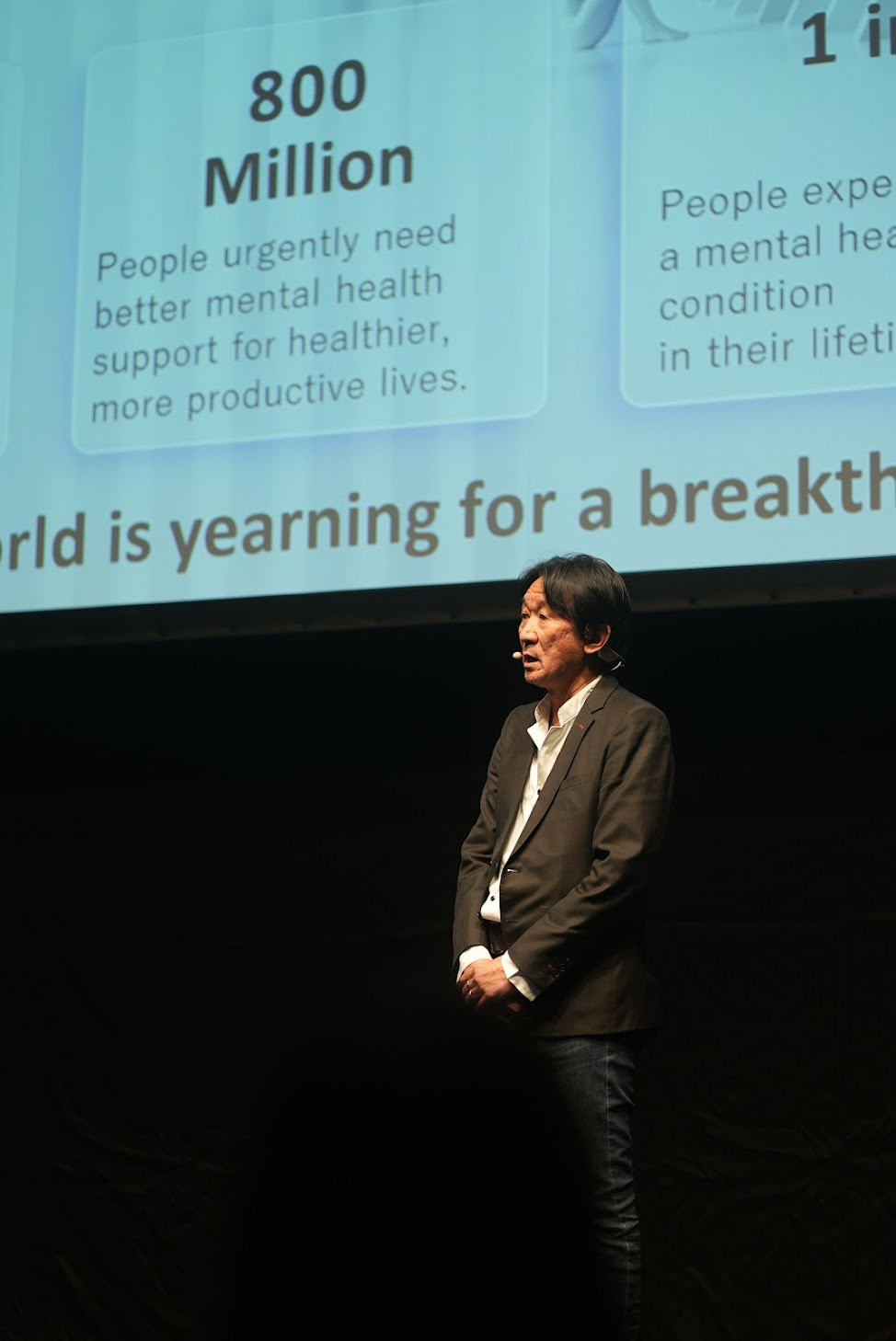
What motivated you to participate in Creative Tech Shibuya?
We were invited by the organizers, and Shibuya itself was a major factor. It is an international and diverse environment, and we saw value in being part of a space where different types of players gather. We felt it could offer new opportunities for collaboration and experimentation.
What were your impressions or challenges regarding the Japanese market?
Our interest in Japan comes from both personal and business perspectives. Personally, having a background connected to Thailand, I have a strong interest in bringing high-quality innovations from abroad into Japan. From a business standpoint, Japan is a highly demanding market, and succeeding here could serve as a gateway to global expansion. At the same time, differences in culture and business practices present challenges, especially in aligning understanding across an international team.
What stood out to you during the program?
The way relationships among participants gradually developed was particularly memorable. At first, there was some distance, but over time, communication became more natural and active.
What insights did you gain?
Through the pitch sessions and observing other startups, we realized the importance of not only communicating technical strengths, but also conveying experiences and emotional value. This perspective was especially relevant within the context of creative tech.
What are your next steps in Japan?
We would like to build on the relationships formed during the program. There are already some discussions around potential collaborations, and we hope to develop those further. We are also interested in continuing to create products that connect Japan and other markets, including Thailand.
Creative Platform / Publishing Tech / Story IP
Inkjourney develops a platform that integrates storytelling, reading, and publishing, aiming to build an ecosystem where users can create, share, and monetize story IP. The company is also exploring collaboration with Japan’s content industry.
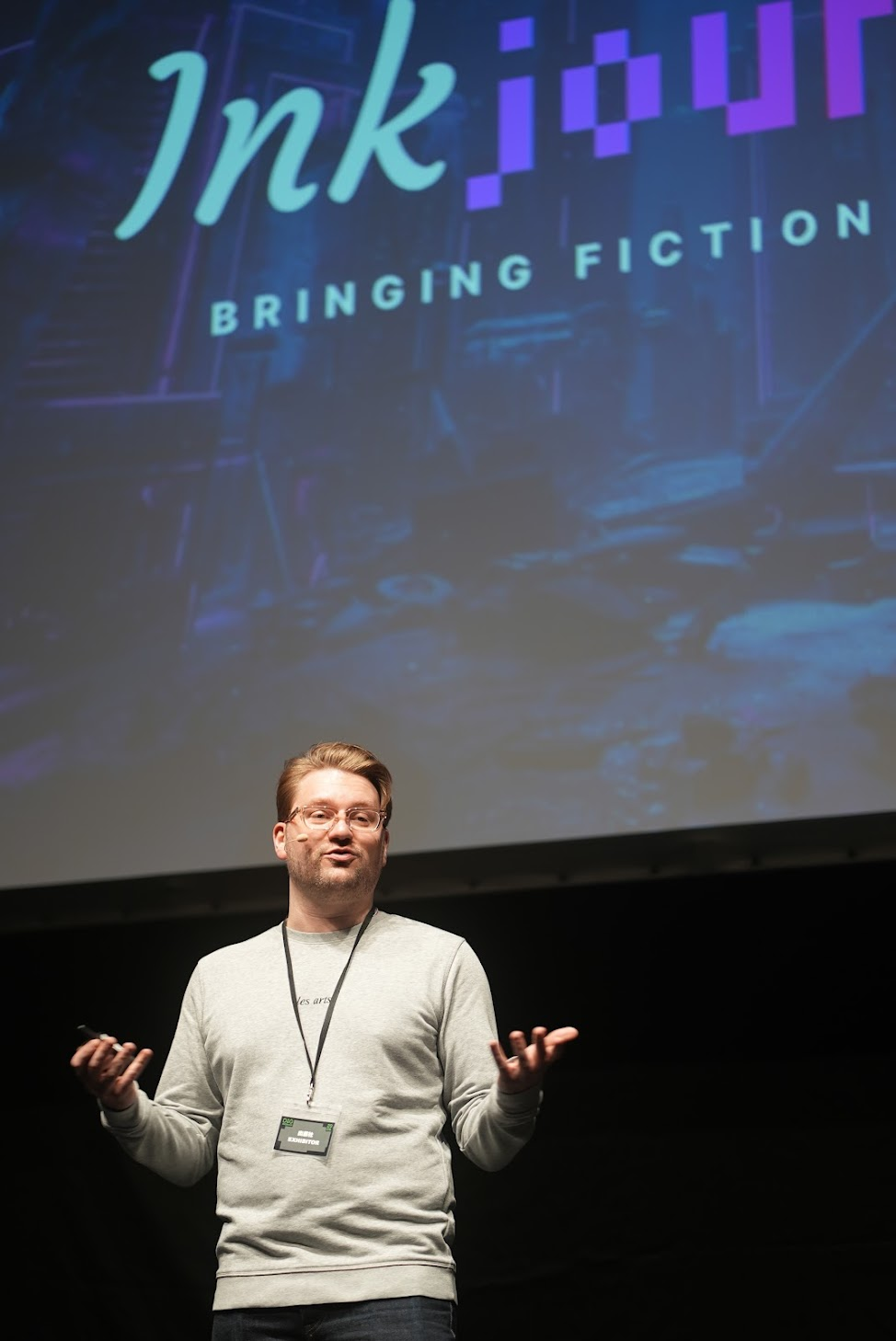
What expectations or concerns did you have about the Japanese market before participating?
We see strong potential in the Japanese market. At the same time, administrative complexity and perceived instability in regulatory changes were areas of concern. We also encountered more conservative perspectives in some conversations, but we believe that innovation often comes from taking different approaches.
What was most memorable during the program?
Presenting on a large, professionally produced stage for the first time was a significant experience. We also had the opportunity to demo a new version of our product. It had been three months since our last presentation, so being able to show progress and observe how people understood and reacted to it was very valuable. Moments when the audience clearly grasped what we were building stood out.
Did you feel any progress through the program?
The entire program felt like a major step forward. It was almost like a snapshot where months of preparation came together in a short period. We also gained a lot of exposure, which allowed us to gather feedback and identify new ideas and areas for improvement.
What are your next steps in Japan?
We are currently in discussions with investors and production companies. Depending on how partnerships and investment opportunities develop, we may consider establishing a company in Japan. We believe Japan’s content industry has strong global influence and presents significant opportunities.
AI / LLM / Open Source
Shisa.AI is developing open-source large language models (LLMs) specialized for the Japanese language. The company aims to build an AI foundation that combines global technical capabilities with deep local language understanding.
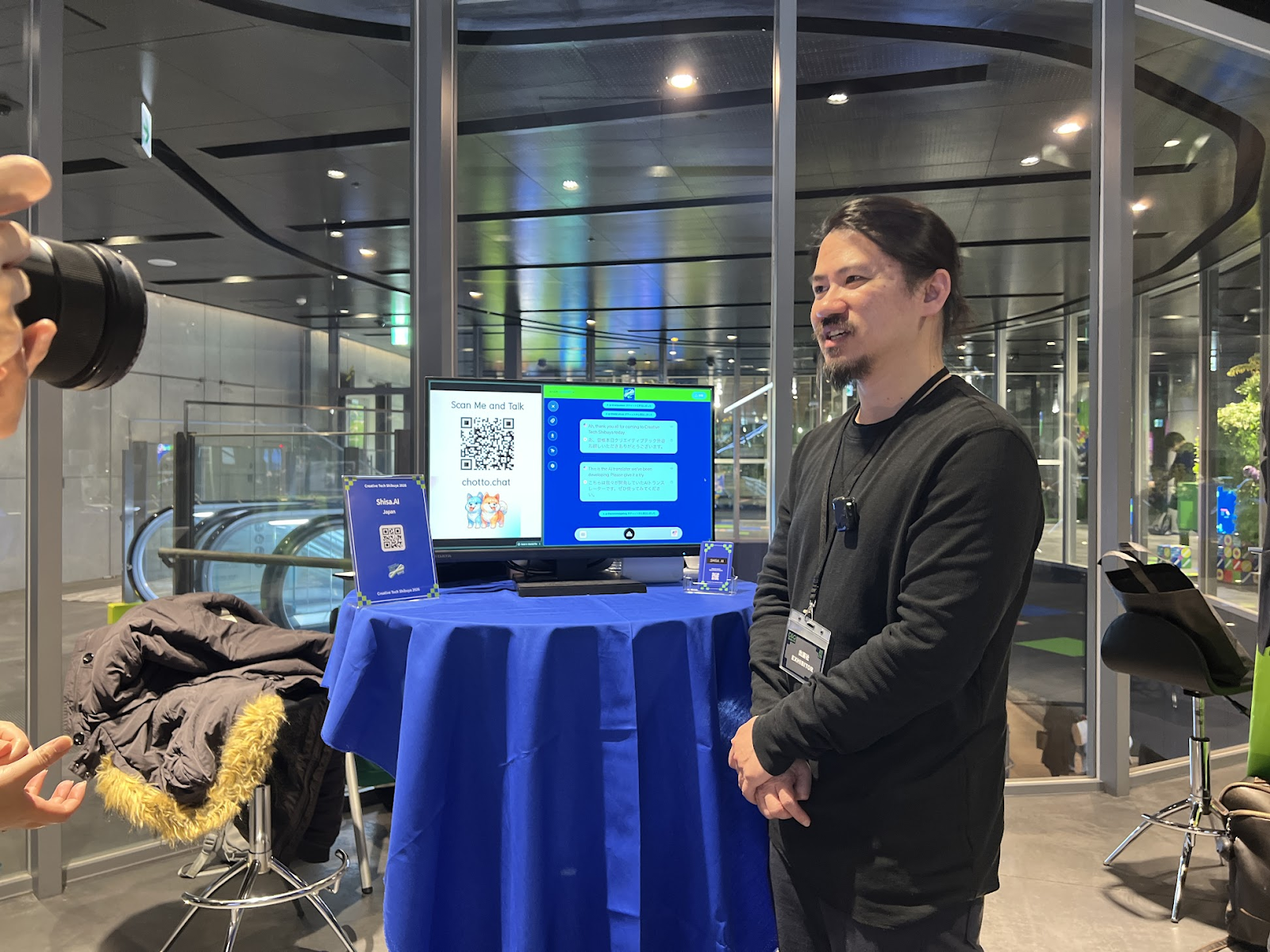
What motivated you to participate in Creative Tech Shibuya?
One of the main reasons was simply that it was held in Shibuya. It is an iconic and exciting place, and when you hear “Tokyo,” it naturally creates interest. Since our product targets general users in Japan, Shibuya felt like the most accessible and relevant location.
What expectations or challenges did you have regarding the Japanese market?
We intentionally chose a challenging market. Japan is not easy to enter, but that is exactly why we see opportunity. We believe LLM technology has the potential to address challenges that previous technologies could not.
What stood out to you during the program?
The people. Before coming, I expected a larger cultural gap between Japan and other countries. However, I found that people are fundamentally similar — the main differences lie in how things are expressed or approached.
Did you feel any progress through the program?
Being on stage and continuously meeting people over several days made a difference. The multi-day format allowed for ongoing interactions, and that helped create a sense of steady progress.
What are your next steps in Japan?
We would like to gather more feedback from native Japanese users. That will be an important step in refining and improving our product for the Japanese market.
Creative Tech Shibuya 2026 provided participating startups with opportunities that extended beyond networking, including product validation and a deeper understanding of the Japanese market.
SSS aims to continue developing the program as a platform that connects international startups with Japan’s startup ecosystem. We would like to thank all participating startups for their involvement.
Updates on upcoming events and initiatives will be shared through SSS’s official website and social media channels.
Shibuya Startup Support:https://shibuya-startup-support.jp/
Shibuya Startup Support Social MediaLinkedIn:https://www.linkedin.com/company/shibuya-startup-support/
Facebook:https://www.facebook.com/shibuya.startup.support
X(旧Twitter):http://twitter.com/ShibuyaStartup


